
 OUR COMPANY


Alzheimer's: What to Watch For, and How to Help
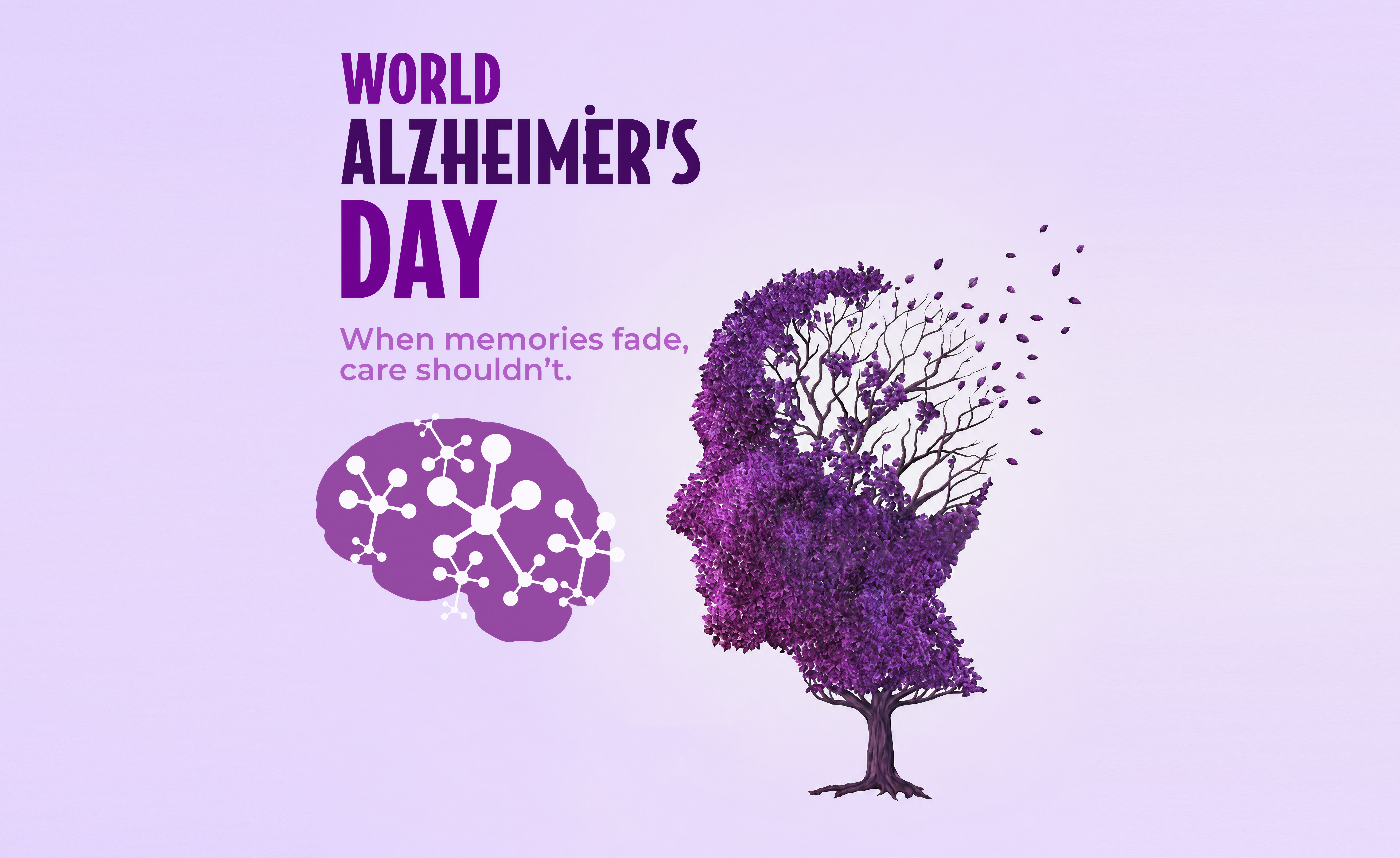
You walk into a room and forget why. You blank on a colleague's name. Most of us have been there, and it's usually nothing to worry about.
But when forgetting becomes frequent, or starts getting in the way of daily life, it deserves attention. This World Alzheimer's Day (21 September), here is a simple guide for you and your family.
What is Alzheimer's disease?
Alzheimer's is a progressive brain disease and the most common cause of dementia. It slowly affects memory, thinking, communication and the ability to manage everyday tasks.
It usually starts quietly: forgetting a recent conversation, searching for a familiar word, or losing the way in a familiar place. Over time, these changes become harder to miss.
It is not normal ageing. Misplacing your keys is normal. Forgetting what the keys are for is not.
Early signs to notice
Forgetting recent information or asking the same question again and again
Missing appointments or important events
Struggling to find familiar words
Confusion about dates, places or familiar routes
Difficulty with tasks that used to be easy, including simple decisions
Losing interest in hobbies or people once enjoyed
Unusual changes in mood or behaviour
One sign on its own is not a diagnosis. What matters is a pattern that continues or worsens.
Is it always Alzheimer's?
Not at all. Poor sleep, stress, depression, thyroid problems, vitamin B12 deficiency, hearing loss and side effects of some medicines can all affect memory, and many of these are treatable. That is one more reason to see a doctor rather than guess.
What Causes Alzheimer’s Disease?
There is no single cause of Alzheimer’s disease. Some factors associated with a higher risk include:
Age: Risk increases as people get older.
Family history and genetics: Having a parent or sibling with Alzheimer’s can increase risk, but it does not mean that a person will definitely develop the disease.
Heart and metabolic health: Conditions such as high blood pressure, diabetes, high cholesterol and cardiovascular disease are associated with increased dementia risk.
Lifestyle factors: Physical inactivity, smoking, unhealthy diet and harmful alcohol use can contribute to risk.
Other factors: Hearing loss, social isolation and poor sleep have also been associated with cognitive decline and dementia.
Risk is not destiny. Having one or more risk factors does not mean that someone will develop Alzheimer’s. It is far more common in older adults, though younger people can rarely be affected too.
Can it be prevented?
There is no guaranteed way. But looking after your overall health may lower your risk or delay changes, and it helps your wellbeing either way.
Move: walk or exercise regularly, as your ability allows.
Sleep: protect your rest.
Eat well: choose a balanced diet and stay hydrated.
Health Check-Ups: keep blood pressure, sugar and cholesterol in control, and get your hearing and vision tested.
Cut back: avoid smoking and limit alcohol.
Stay curious: learn a skill, play music, solve puzzles.
Stay connected: make time for family, friends and community.
Protect your head: wear a helmet and take care to prevent falls.
Your emotional health counts too. Long stretches of stress, loneliness or poor sleep can affect memory and focus. Take short breaks, step outdoors, keep up your hobbies, and talk to someone you trust when things feel heavy.
How families can support a loved one
Memory changes can leave families worried, confused or frustrated. Patience matters more than perfection.
Listen without making them feel embarrassed about forgetting.
Speak slowly, use simple sentences, and give them time to answer..
Keep a steady routine and keep important things in familiar places.
Use calendars, notes and reminders.
Encourage safe, everyday independence.
Go with them to medical appointments.
Share caregiving. No one should carry it alone.
Most importantly, don't see only a patient. They are still the same parent, spouse or friend you know. Their memory may change, but their need for respect and connection does not.
If you notice signs
Don't jump to conclusions. Observe, and note specific examples such as what happened and how often. Talk gently with the person, and if the changes persist or affect daily life, encourage a visit to a doctor. Skip online "tests"; they can't diagnose Alzheimer's.
In shortAlzheimer's is more than occasional forgetfulness, and it is not a normal part of ageing. We can't guarantee prevention, but we can notice changes early, look after our bodies and minds, stay connected, and seek help in time. For families, patience and simply being present can make the journey easier.
FAQs
Is forgetting names a sign of Alzheimer's?Not necessarily. Repeated or worsening lapses that affect daily life are worth discussing with a doctor.
Can stress cause Alzheimer's?
Stress can affect memory and concentration, but it does not mean you have Alzheimer's. If problems persist, get them checked.
At what age does it start?
Mostly in older adults, and risk rises with age. Younger-onset Alzheimer's is possible but uncommon.
How can I help a family member?
Be patient, communicate clearly, keep routines familiar, encourage safe independence and accompany them for medical care.
Disclaimer: This article is for general health awareness only and is not medical advice, diagnosis or treatment. If you or a family member has persistent or worsening memory or thinking problems, please consult a qualified healthcare professional.